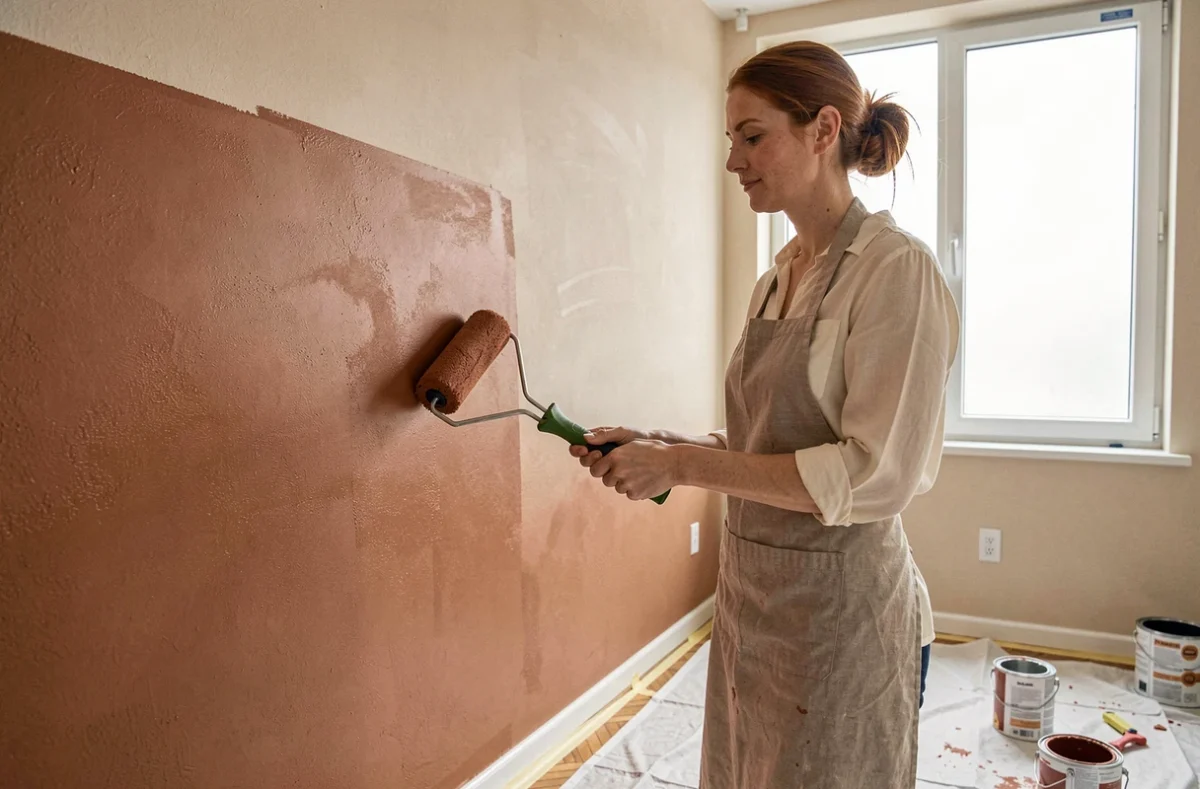
Repainting the living room, laying new tiles in the bathroom, replacing the kitchen worktop: decorating ideas often come in waves. The trap is to start with the finishing touches when more substantial work (insulation, replacing the heating system) could damage or require removing what has just been installed.
A home’s EPC provides information about its energy performance and can reveal priorities that decorating alone won’t address. Before choosing a wall colour or floor covering, it’s best to check that the building’s envelope is in good shape.
Energy-efficiency upgrades before decorating: the order that saves you from redoing everything
Have you ever noticed freshly repainted apartments where damp patches start appearing after a few months? In most cases, the problem is inadequate insulation or poor ventilation. Decorating without addressing these issues is like covering up a structural defect.
ADEME’s 2025 BâtiZoom barometer reports an increase in major renovations receiving support in the private residential sector, even as overall renovation activity declines slightly. This trend shows that more and more households are choosing to group major work together before moving on to the finishing touches.
To avoid wasting your decorating budget, check out Renov Et Plus’s renovation advice, which covers how to coordinate technical work with aesthetic choices. Insulating walls before finishing them helps protect the results for the long term.
In practice, the logical sequence looks like this:
- Check the EPC and identify energy-intensive systems (heating, hot water, ventilation) before carrying out any decorative work on the affected surfaces.
- Install internal insulation or replace windows and doors first, as this work changes wall thickness or window reveals.
- Then move on to wall coverings, flooring and furniture once the structural work is complete.
For certain major renovations, MaPrimeRénov’ rules require an energy audit and a target improvement of at least two EPC ratings. Check the eligibility criteria for the grant scheme before starting work. A simple comfort upgrade (a new kitchen, storage) is not necessarily eligible for energy-efficiency renovation grants.
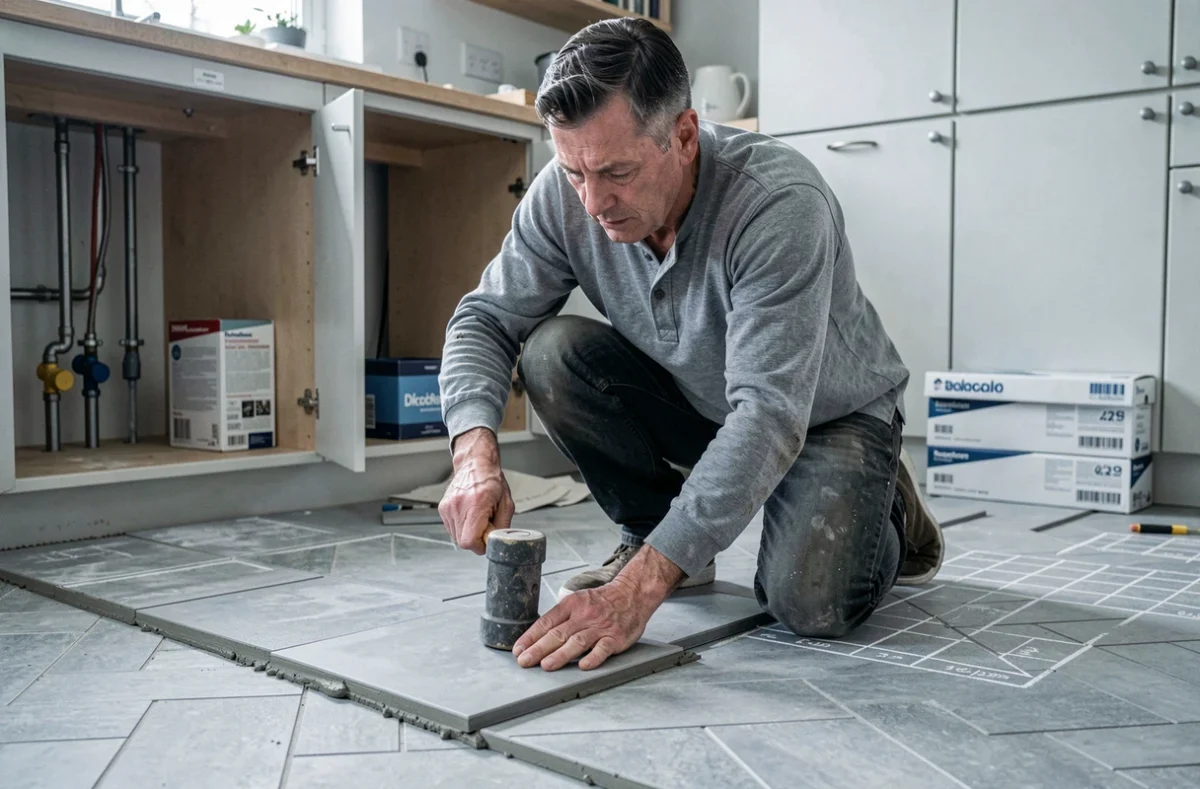
Living room and kitchen decor: create a cohesive look without tearing everything out
The living room and kitchen often open onto each other. This is where creating a cohesive look matters most. Why? Because an accent wall in the living room that clashes with the kitchen tiles can make the whole space feel disjointed, even if each element looks lovely on its own.
A shared colour palette and materials
Start with a common thread: a type of wood (light oak, walnut) or a neutral shade (sand, warm grey) that runs through both spaces. Then add a bolder colour to just one wall or to the furniture. Repeating the same material in two rooms is enough to tie the whole look together.
The kitchen floor tiles can extend a few metres into the living area as a subtle link, or give way to parquet flooring in a similar shade. The idea isn’t to make everything uniform, but to create visual connections.
Lighting: the most affordable and effective tool
Adding multiple light sources can transform a room faster than a fresh coat of paint. Three light sources at different heights can change the feel of an entire living room. A pendant light above the table, a reading lamp beside the sofa, an LED strip under a low cabinet: these inexpensive additions can completely change the atmosphere.
Avoid relying on a single central ceiling light. It flattens the space and removes the contrasts that give the decor depth.
Bathroom and bedroom: two rooms where the details make all the difference
The bathroom comes with a host of technical requirements. Moisture, ventilation, waterproofing: here, choosing a wall covering isn’t just about looks—it’s about function too. Large-format tiles with narrow grout lines help limit mould and make cleaning easier. In a bathroom, every material needs to be moisture-resistant before it can be beautiful.
Taps and accessories (mirror, towel rail, hooks) offer a quick refresh. Replacing chrome taps with a matte black or brushed brass model can change the look without any major structural work.
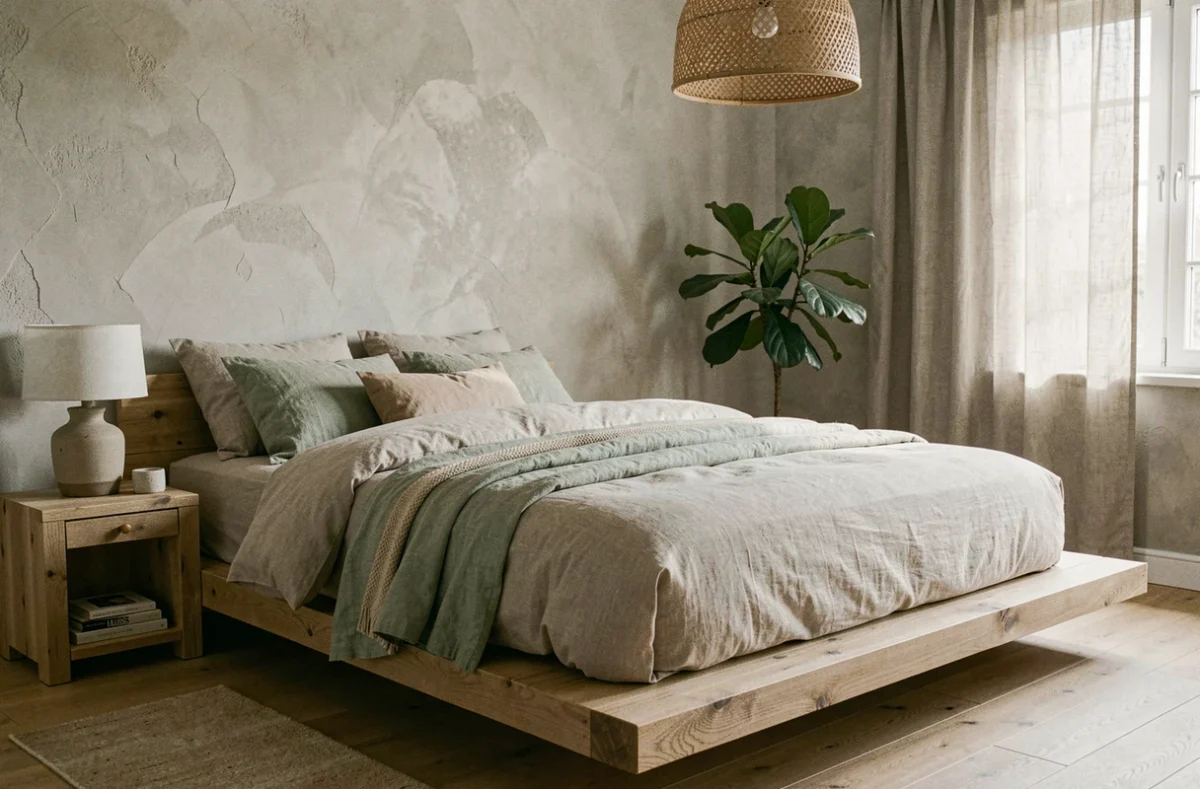
The bedroom: focus on textiles and the wall behind the bed
Textiles have an outsized impact in the bedroom. New bedding, linen curtains and a rug at the foot of the bed can transform the room in a weekend. Textiles are the quickest way to change the feel of a bedroom.
The wall behind the bed deserves special attention: paint it a deeper shade, add subtle patterned wallpaper or install vertical wooden slats. This accent wall draws the eye and gives the room structure without taking up space.
Renovating one room at a time: mistakes that can be costly
Renovating gradually, one room at a time, is often a matter of budget. The risk is making decisions in isolation that no longer work together once all the rooms are finished.
- Choosing different flooring for every room creates awkward transitions in hallways and doorways.
- Neglecting ventilation during a bathroom renovation can damage adjoining rooms (damp, odours).
- Installing a new heating system after redecorating the walls may mean drilling into or removing recently completed finishes.
For landlords, energy-efficiency standards set minimum performance thresholds for rental properties. Cosmetic work does not exempt landlords from meeting regulatory energy-efficiency requirements. It’s best to factor in both aspects from the outset when planning the project.
Renovating and decorating your home works best when planned as a whole, even if the work is carried out in stages. A quick energy audit and a materials palette chosen in advance can help avoid costly rework. Style comes after structure, not before.