The price displayed on a product page doesn’t always reflect what a video game or console really costs. How long a title remains accessible, whether it depends on remote servers, and what guarantees cover (or don’t cover) a purchase are just some of the factors that a simple price comparison can miss. Understanding how these work can help you make better-value choices in the long run.
The real cost of a video game: what the discount doesn’t tell you
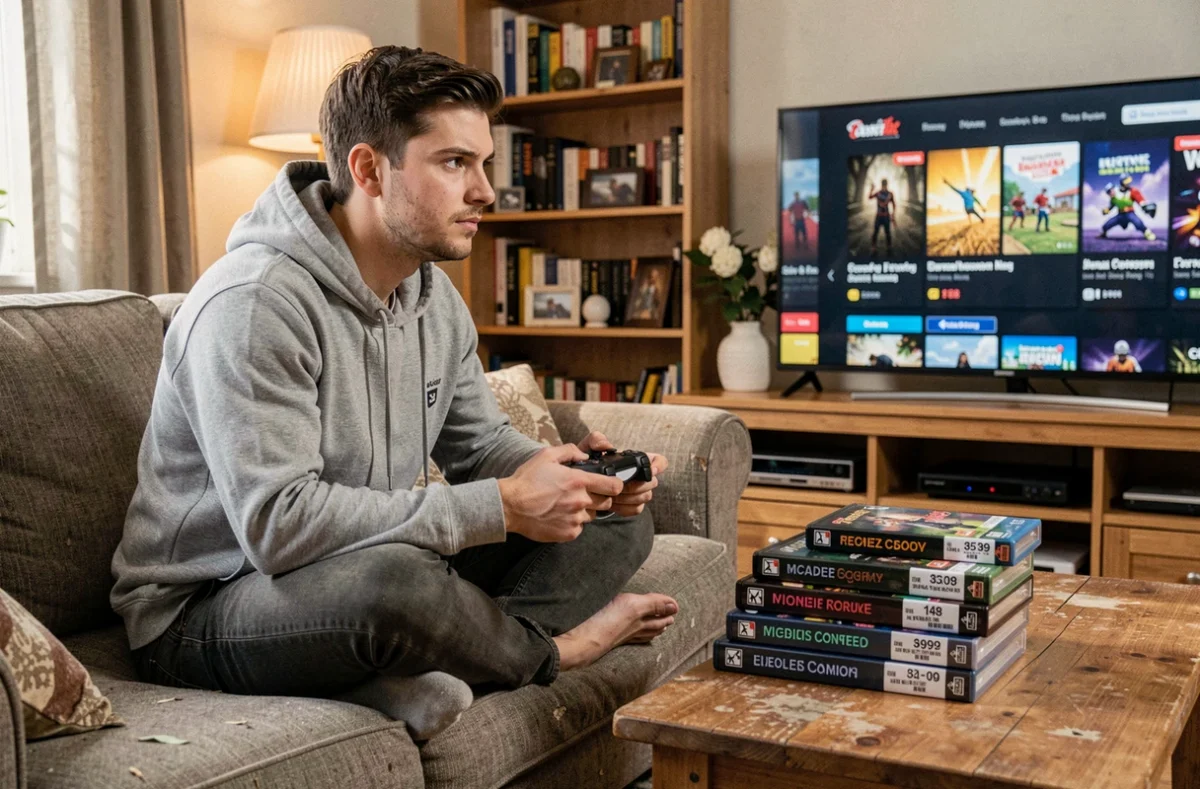
A sale shows you a percentage off, but says nothing about how long your purchase will last. A game that depends on servers can become unplayable overnight, no matter how much you paid for it.
The case of The Crew illustrates this risk: removed from stores in December 2023 and then taken offline on March 31, 2024, the game became completely inaccessible because it had no offline mode. Buyers, including those who paid full price, lost access to a product they thought they owned.
Before snapping up a bargain, check two things: can the game be played without a constant internet connection, and will its main features (campaign, game modes) still work if the servers shut down?
A single-player game that can be played offline for €30 will hold its value far longer than an online multiplayer game discounted to €10 but at risk of disappearing. Specialist retailers offer a wide range of titles, from new releases to classics, as you can see at https://www.1gameshop.be, which brings together games and consoles at competitive prices.
Digital storefront closures: the risk of buying digital games
Buying digital is convenient and often cheaper, but it depends on a distribution platform continuing to operate. When a digital storefront closes, you lose access to titles you haven’t bought, and sometimes even to games you’ve already paid for.
Nintendo stopped sales on the Wii U and 3DS eShops on March 27, 2023, then ended online play on those consoles on April 8, 2024. Owners can still redownload previous purchases, but any title they hadn’t bought before the closure disappeared from those storefronts for good.
This raises a practical question for bargain hunters: do you really own a digital game? In practice, buyers receive a licence to use it, not a physical item they can resell or lend. The price of a digital game should take this risk of losing access into account.
Physical or digital: choose based on how you play
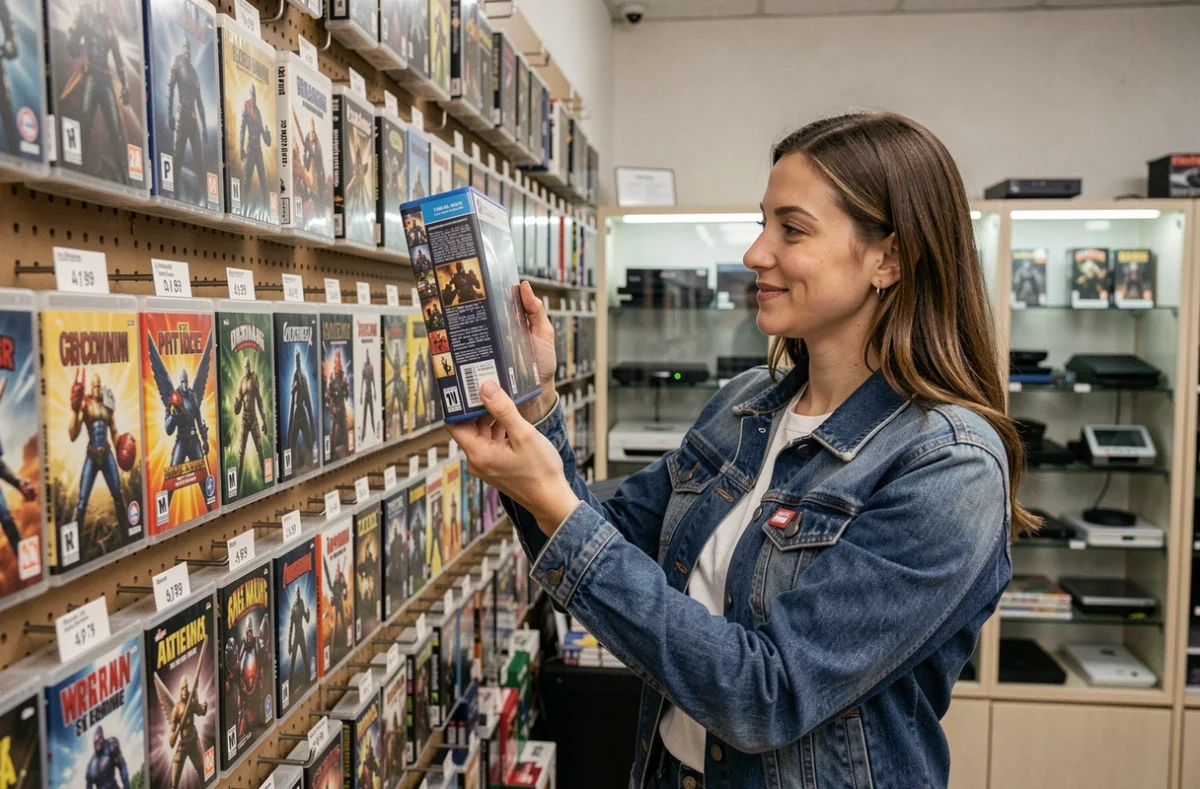
A boxed game retains resale value and remains playable as long as the console works, without relying on a download server. On platforms such as Steam or the PlayStation Store, seasonal sales offer substantial discounts, but the game you buy remains tied to your account and the platform.
If you want a purchase to last, especially on Nintendo Switch or Xbox, the physical format offers extra peace of mind. If you plan to finish a game in a few weeks and don’t expect to play it again, a discounted digital copy can still make sense.
Legal warranty on consoles and second-hand games: what the law really covers
The second-hand market is appealing because of its prices, but the level of protection depends on the seller. The legal guarantee of conformity applies to second-hand goods sold by a professional, with one caveat: the presumption that a defect existed at the time of sale lasts for 12 months for second-hand goods, compared with 24 months for new ones.
Buying a refurbished console from a private seller on a marketplace doesn’t give you any legal warranty. Buy the same model from a professional for a few euros more, and you get that protection. This small price difference could save you a considerable amount if a fault appears in the first few months.
Extended warranties: worth it or unnecessary?
Retailers routinely offer paid extended warranties when you buy a new console. Since the legal guarantee of conformity already covers defects for two years when you buy new from a professional, the extended warranty often only kicks in after that statutory period.
Before paying for this option, consider three things:
- The total coverage period: if the extended warranty starts after the two-year statutory period, it adds only one or two years of extra protection
- Contract exclusions: accidental damage, oxidation and normal wear and tear are often excluded, limiting coverage to spontaneous hardware failures
- The cost compared with the console’s price: an extended warranty costing several dozen euros on an entry-level console represents a significant proportional markup
Gaming deals and artificial urgency: how to spot a false bargain
Steam sales, Amazon flash deals and limited-time offers are classic online retail tactics. Urgency doesn’t always mean you’re getting a genuine bargain.
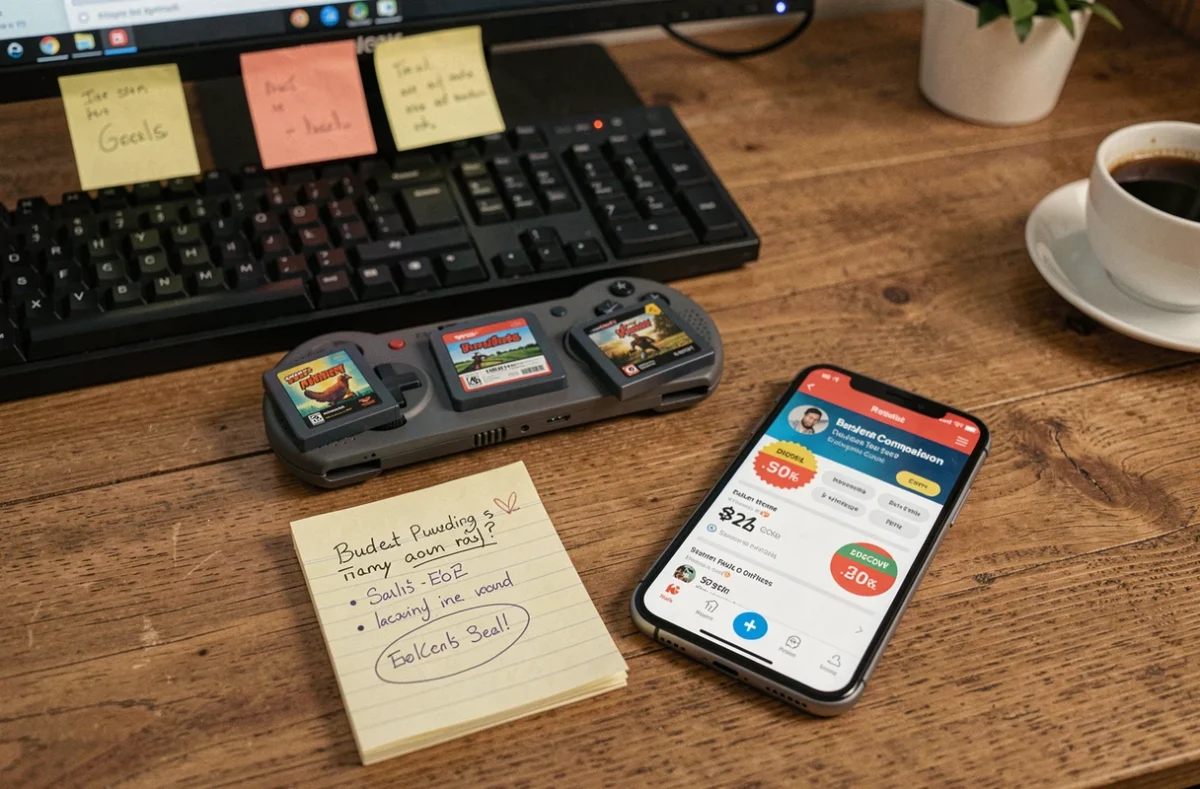
A game advertised at a marked-down price may have been available at the same discount several times throughout the year. Price-tracking tools let you check a product’s price history across major platforms. On Steam, third-party sites show a game’s price over several months, helping you tell a genuine price drop from a recurring promotional price.
The same applies to consoles: “special edition” bundles tied to a game release (Zelda, Pokemon or other popular franchises) often cost more overall than buying the console and game separately a few weeks after launch.
Three things to check before buying a sale item
- Check the product’s price history using a comparison site or dedicated tracking tool, rather than relying on the advertised discount percentage alone
- Look beyond the purchase price and consider the total cost: required online subscription (Nintendo Switch Online, Xbox Game Pass), paid add-on content and essential accessories not included
- Compare offers from specialist retailers, marketplaces and physical stores, as prices for the same product can vary by several dozen euros depending on where you buy
The best price for a game or console isn’t necessarily the lowest one you see at a given moment. It’s the price that takes into account how long you’ll have access to the content, what protection you have if something goes wrong, and the price the product usually sells for outside promotional periods. A slightly more expensive purchase that lasts and comes with a warranty often costs less than a string of short-lived bargains.