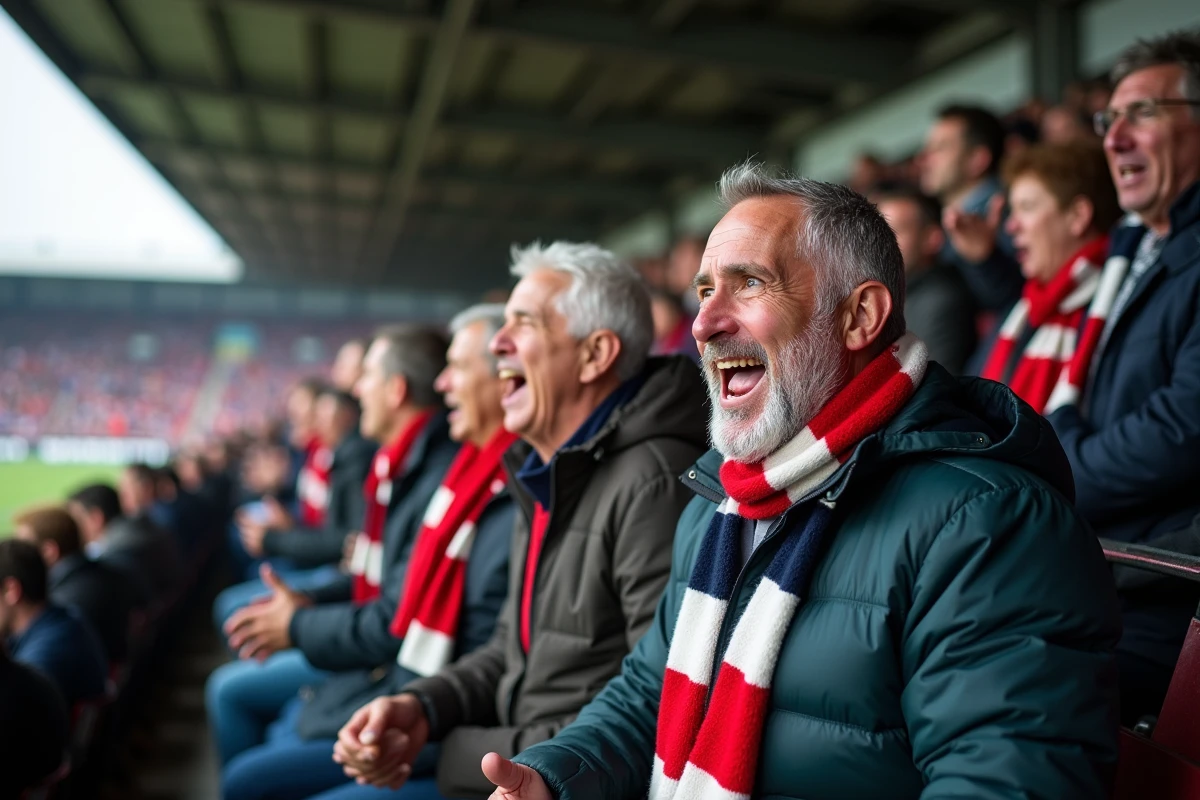
In 1998, FC Lorient shook up the hierarchy and made it to the final of the Coupe de France for the first time, eliminating several big names from Ligue 1 along the way, all while its finances remained modest. The French Football Federation has never deemed it necessary to register a “Breton derby” as an official event, but Quimper-Lorient has established itself, season after season, as the most contested fixture in all of western Brittany.
Throughout the 2000s, FC Lorient grew in stature. A reinvented team, a staff strengthened by former players, and an identity passed down from generation to generation: the Merlus are deeply connected to their past while looking forward.
The Origins of FC Lorient: Birth, Identity, and the Early Challenges of a Breton Club
Lorient, a port battered by the winds of the Atlantic, shapes the character of its club. Marked by a working-class history, FC Lorient has displayed a strong Breton identity since its beginnings. Here, wearing the club’s colors means showcasing values of solidarity, attachment to the land, and resistance against the established order of the “big” cities in the French championship. Being Breton on the field is not just about playing: it’s about asserting a sense of belonging.
Brittany cultivates its differences, even in the stadiums. In Lorient, Breton and French coexist: on banners, in chants echoed throughout the stands, and even in the official name of the club. For a long time, FC Lorient operated with modest means, one hand on the ball, the other holding a club under precarious conditions. The popular momentum does not wane. While many Parisian observers keep an external eye, the city stands united. Quickly, the stadium transforms into a meeting point, a social glue, a marker of identity.
In this context, certain events become unmissable:
- the match between Quimper and Lorient crystallizes passions and stands as a classic for any fan of Breton football.
- During derbies, the Gwenn ha Du flags flood the stands, chants in Breton resonate from one end of the stadium to the other, and the regional culture shines through without filter.
The rivalry with Quimper, always intense, shapes the collective history of the club. These contests give a particular depth to Lorient’s memory and nurture attachment, year after year. Very quickly, Lorient established itself as a cornerstone of western football for all those who live and breathe to the rhythm of Brittany.
What Moments Have Forged the Lorient Legend? A Narrative of Key Dates, Memorable Achievements, and Setbacks
The adventure of Breton football is written through the energy of Breton derbies, those encounters where every inch of the pitch matters. Quimper against Lorient: the drama, the twists, the tension are well known. It goes far beyond a simple match. Breton supporters flock to it, proudly displaying their colors, chanting “Bro Gozh Ma Zadoù” long before warm-ups. Each time, it’s a popular breath that animates the stadium.
If the history is vibrant, it’s because it has been shaped by a succession of significant moments:
- Decisive championship duels, sometimes to avoid relegation or secure promotion: matches where every point gained resonates throughout the entire city.
- Gala evenings and regional finals, where excitement doubles and Brittany showcases its strength.
- And nights of defeat, when disappointment arrives, but unites supporters and players in a shared desire for revenge.
It is these trials, these moments of euphoria and adversity, that gradually build the Lorient legend. The chants, the exchanged glances, the energy of the stands make each encounter a unique chapter in the history of football in Brittany.
Iconic Figures and Supporter Passion: How FC Lorient Embodies the Soul of Football in Brittany
The FC Lorient shines thanks to personalities who leave their mark on the pitch as well as in the hearts of fans. Raymond Keruzoré alone symbolizes this deep connection with the region. Under the watchful eye of Jean Prouff, he shared the field with figures like Pierre Garcia, Silvester Takač, Serge Lenoir, Marcel Aubour, André Betta, and André Guy: these names, familiar to supporters, testify to a history built on loyalty, tireless effort, and shared exploits.
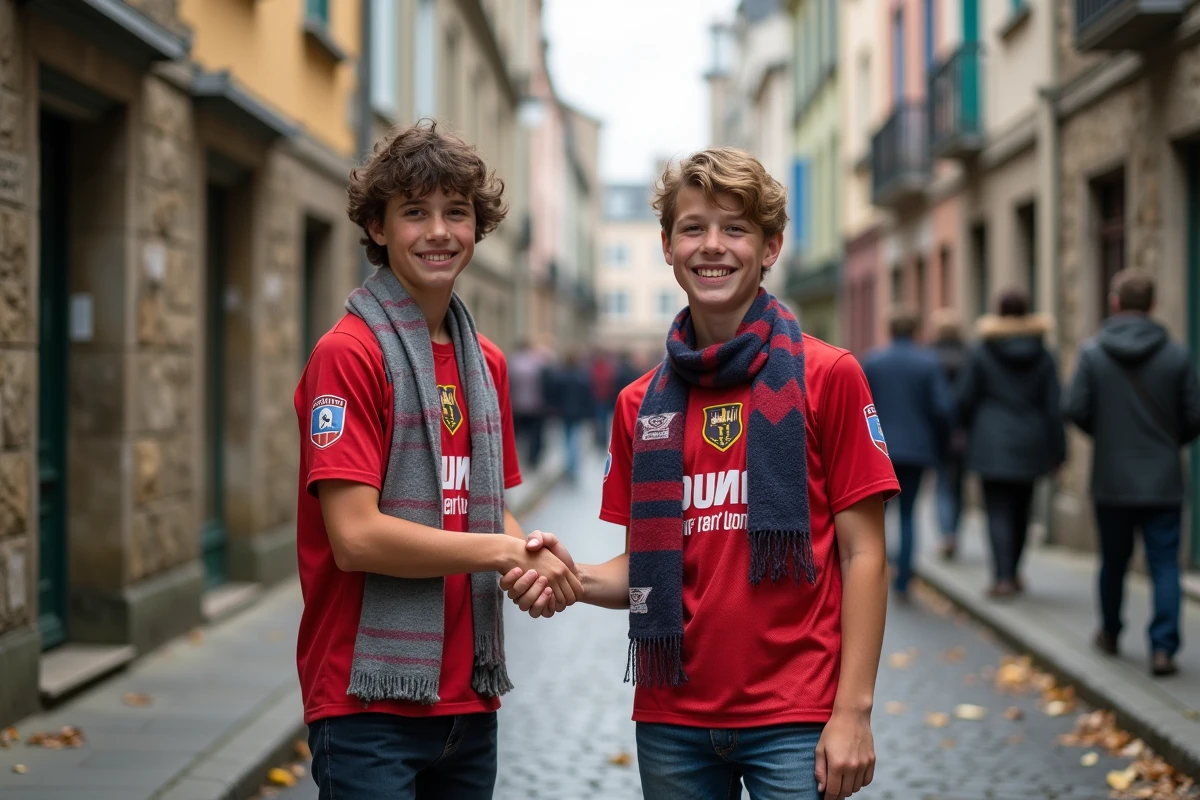
The commitment felt in the stands is unwavering. Breton supporters set the rhythm: black and white as their banner, the Gwenn ha Du raised high, their voices echoing throughout the stadium. This unconditional support forges a special relationship between the club and its loyal fans. Loyalty is expressed not only on victory nights: every match is an appointment, every season a declaration of love for the team and the Breton land.
Some examples illustrate the uniqueness of this attachment:
- Breton football is shared after the match, over a drink, in villages, everywhere the club’s colors are worn, even far from the spotlight.
- Local passion seeps everywhere: from the president to the youngest fans, every new face embraces the stories, values, and culture of Lorient.
This is the true strength of FC Lorient. Much more than a sports field, the club creates a shared history, weaves an identity, and resonates throughout all of Brittany. One certainty: the rivalry, the fervor, and the Breton heritage will continue to be passed down for a long time, from match to match, in every corner of the west. The next derby? Anticipated, already ready to write the next chapter of the saga.