Some varieties of plants that are considered difficult coexist with hardy species, without the theory really explaining it. The constraints of space or climate do not prevent the emergence of surprisingly balanced compositions, even where botanical logic seems to falter.
There are proven methods and lesser-known tips to structure a space, enhance every nook, and promote flowering season after season. The choices of associations or materials are no longer limited to large plots, and constraints sometimes become unexpected allies.
Why investing in a flowering garden truly transforms your outdoor space
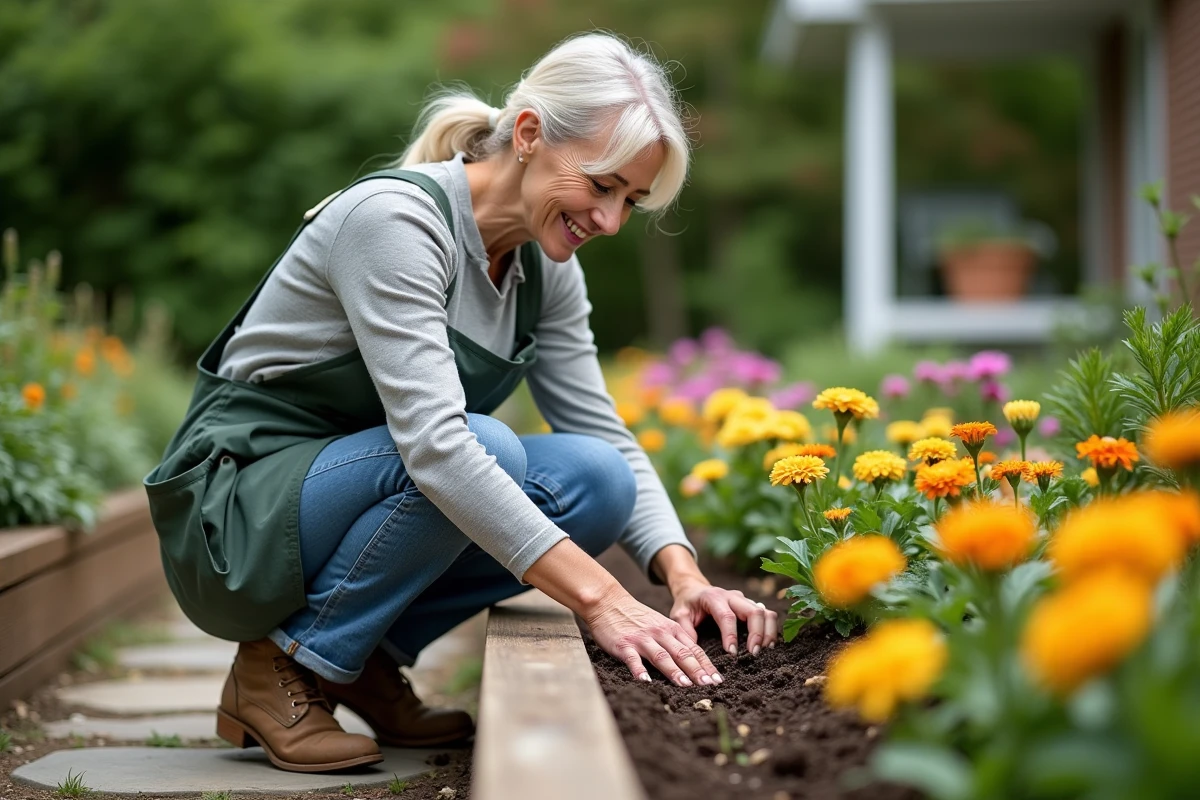
Creating a flowering garden is not just about scattering a few flowers randomly. It is about engaging with nature, shaping a living tableau that changes with the seasons. When flowers are well chosen, they transform the exterior: they attract life, color the space, perfume the air, while structuring the green corner garden. This choice influences the ambiance, alters the perception of the places, and redefines the use of every square meter.
The garden then imposes itself as an extension of the house, a room open to the sky, conducive to contemplation or reunions. Carefully designed flower beds, pathways lined with perennials and grasses transform the smallest plot into an open-air work of art. Landscaping is not limited to ornamentation: it structures the places, draws perspectives, creates plays of shadows and light, even in the heart of small spaces.
Seeking advice from solid resources, such as Le Jardin d’Emilie, helps avoid many disappointments. Tailored to the diversity of French soils and climates, this advice guides the choice of species, the planning of bloom times, and the maintenance of the garden over time. Combining this practical approach with a creative touch allows for the creation of sustainable gardens, where nature thrives without ever taking over. A garden for all tastes often arises from these thoughtful compromises, between experience and inspiration.
Which plants to choose for a harmonious garden, even with limited space or sunlight?
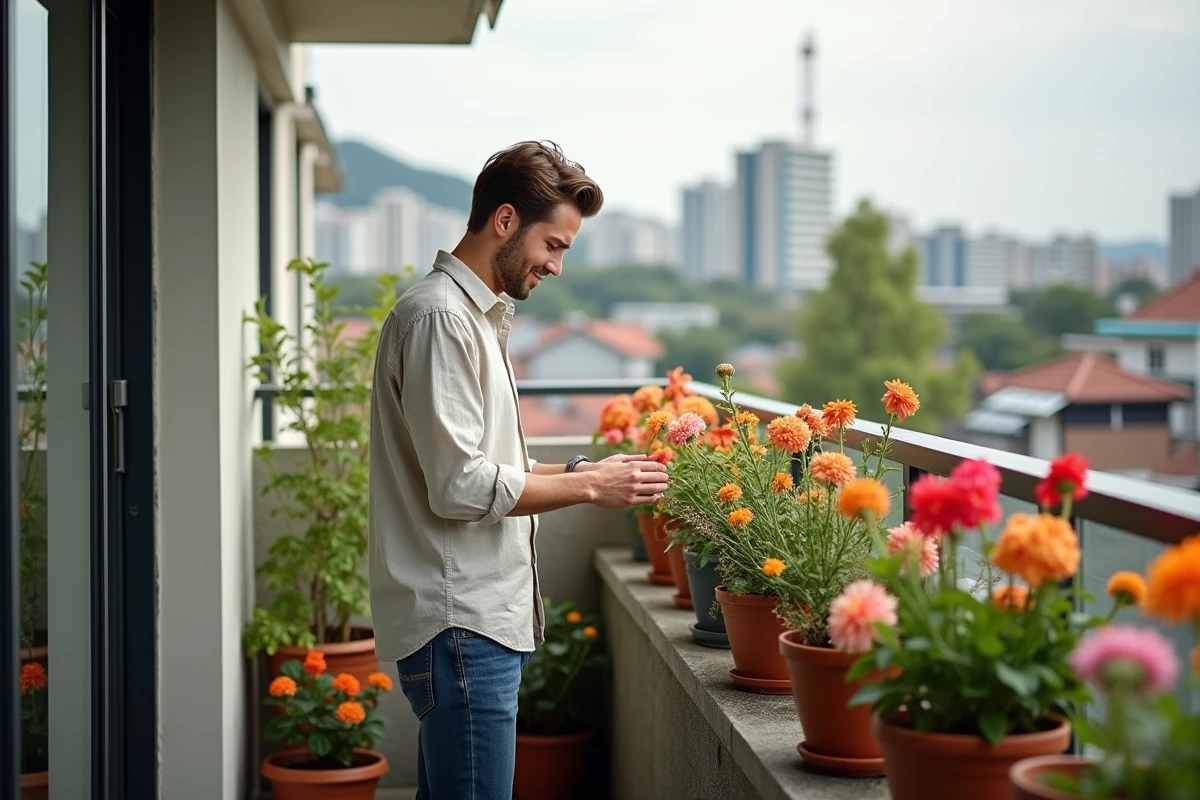
The choice of adapted plants is essential for any garden project, especially when space or light is scarce. Narrow balcony, shaded terrace, inner courtyard: each constraint makes selection crucial. Opting for climbing plants such as star jasmine or clematis, which utilize verticality without cluttering the ground, becomes an asset. Their generous blooming structures the space and injects height and movement, even in just a few square meters.
Some plants thrive in shade or filtered light. Fuchsia, hydrangea, or hosta offer lush foliage and remarkable blooms without requiring direct sunlight. These species are suitable for less exposed areas or for indoors, and fit into a logic of thoughtful gardening, attentive to the particularities of each place.
Here are some relevant associations based on configurations:
- For a Mediterranean garden: oleander, lavender, or rosemary thrive in dry conditions and intense sunlight.
- For a compact vegetable garden: herbs, cherry tomatoes, or strawberries can be easily grown in planters.
- For an indoor space: choose robust plants like philodendron, peace lily, or spider plant.
By combining these plants for small spaces, you achieve visual contrasts, a diversity that maintains interest, and a harmonious garden. A well-thought-out selection, adapted to the light and available area, allows for the establishment of a rich and sustainable ecosystem, even in the heart of the city.
Simple and inspiring ideas to create a flowering garden that reflects you
A flowering garden is not just about adding plants. It is a living space, shaped by light, rhythmically changing with the seasons, nourished by your creativity. To vary volumes and add depth, several options are available to you:
- Combine soft flower beds of perennials with more structured shrubs,
- Add touches of bright or pastel colors according to the desired ambiance.
Wood brings warmth and authenticity: use it to outline pathways or borders, and warm up the atmosphere of your garden layout. A few well-chosen outdoor furniture, a solid wood table or rattan chairs create a friendly atmosphere and invite relaxation.
To energize and structure the whole, these suggestions can make a difference:
- Plant in layers: the tallest at the back, the shortest in front, to give depth to the space.
- Play with colorful pots, hang planters, or let plants climb along a trellis to awaken a small corner.
- Mix graphic foliage with fragrant blooms to offer a garden that stimulates all the senses.
Inspiration can come from both a Mediterranean garden and a wildflower meadow: contrast and diversity enrich the decor. For a custom quote for landscaping or tailored advice for your garden size, do not hesitate to consult professionals. Every detail, from furniture to chosen plants, shapes a green corner that reflects you, a living testament to your connection with nature and your taste for design.
A flowering garden is a bit of boldness, a lot of listening, and the desire to see beauty emerge where it is least expected. The next bloom might just surprise the garden, and yours too.